
How to Pack Fragile Items for a Move
Glass, ceramics and mirrors need individual wrapping, cushioning on all sides and boxes that stop items moving inside.
Category: Packing Guides
Glass, ceramics and mirrors need individual wrapping, cushioning on all sides and boxes that stop items moving inside.
Key points
- Wrap every fragile item individually before it goes near a box.
- Cushion the bottom, sides and top of every fragile box.
- Keep fragile boxes small so they stay light and manageable.
- Label fragile boxes clearly on the side, not only on top.
- Load fragile boxes last so they sit on top, never underneath.
Start With the Right Boxes and Materials
Fragile packing starts before anything is wrapped. Choose sturdy boxes that hold their shape, plenty of wrapping paper, and cushioning for the bottom, sides and top of each box. A box that is too large invites items to shift, while a box that is too small forces items together. Medium boxes work well for most glass and ceramics, because they stay light enough to carry safely even when fully cushioned. Keep the work area clear and pack one item at a time.
Sort fragile items by type
Group glasses together, plates together, and ornaments and mirrors separately, because each type needs slightly different handling. Glasses need wrapping around the bowl and the stem, plates need wrapping one by one with a cushion between each plate, and mirrors need a flat, protected surface on both faces. Sorting first also makes labelling honest: a box marked as glasses should hold only glasses, so it can be unpacked and placed without sorting again.
Wrap Each Item Individually
The single rule that matters most is that no two fragile items should touch each other inside a box. Wrap each glass, plate, vase and ornament on its own, with wrapping to cover corners and edges, and tuck the ends in so the wrapping stays in place. Items that are wrapped together can still knock against each other, which is how most breakages happen. Take the extra minute per item: it is the simplest protection a fragile box can have.
Cushion every side
Line the bottom of the box with a thick cushion, place the wrapped items upright where possible, and fill every gap so nothing can slide. Add a final cushion on top before closing the box, then close it firmly and give it a gentle shake: if anything moves, open it and add more cushioning. A box that feels solid and silent is ready to travel, while a box that rattles needs more work before it is sealed.
Pack by Room and Keep Fragile Boxes Together
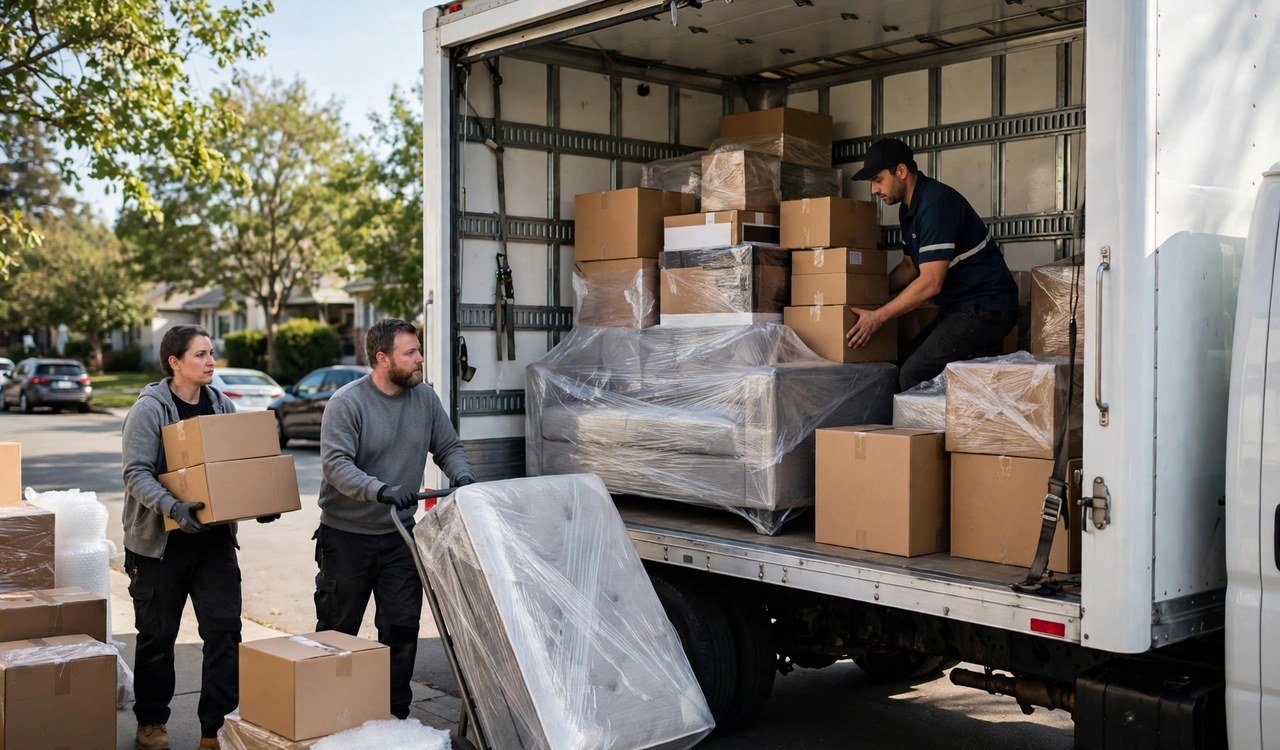
Fragile boxes travel well as a small, clearly marked group. Keep them together during loading so they are easy to spot, and load them last so they sit on top rather than underneath heavier boxes. For homes with a large number of fragile items, fragile item packing in Jeddah can plan the wrapping and box sizes in advance, while packing services in Jeddah cover the wider packing plan for the whole home. At delivery, fragile boxes should be opened first in the room where their contents belong.
Label each fragile box on the side in large, clear letters, and add the room name plus a short contents note, such as kitchen glasses or living room ornaments. A label on the side stays visible when boxes are stacked, which matters because a fragile box that cannot be seen is a fragile box that can end up underneath something heavy. Keep the labels honest and consistent across every box.
Mirrors, Frames and Larger Fragile Pieces
Mirrors and framed pictures need flat protection on both faces and strong corners. Wrap the face first, then the frame, and carry each piece upright rather than flat, because a flat piece can flex and crack under weight. Larger pieces travel well at the side of the load where they cannot slide, with cushioning between the piece and anything next to it. If a frame has glass, mark it so it is never stacked under other items.
Unpack fragile boxes first
At the new home, open fragile boxes before the general unpacking begins, while there is still space to work and a clear surface for each item. Check each piece as it comes out, place it where it belongs, and keep the wrapping until the whole box is empty in case a small item is still tucked inside. Once the fragile boxes are done, update address records, including registering your National Address with Saudi Post so mail and deliveries reach the new home.
Frequently Asked Questions
Should glasses and plates be wrapped together?
No. Wrap every glass and every plate individually, with cushioning between items, so nothing touches anything else inside the box. Items wrapped together can still knock against each other, which is how most breakages happen during a move.
How full should a fragile box be?
Fill it completely, with cushioning on the bottom, between items and on top, so nothing can slide when the box is carried. A box that rattles when shaken needs more cushioning before it is sealed, while a box that feels solid and silent is ready to travel.
What size box works well for fragile items?
Medium boxes work well for most glass and ceramics because they stay light enough to carry safely even when fully cushioned. Keep fragile boxes small rather than large, and never mix heavy items into a fragile box.
How should mirrors be carried?
Wrap both faces and the corners, then carry each mirror upright rather than flat, because a flat piece can flex and crack under weight. Mark the box clearly and keep it where nothing can be stacked on top of it.
When should fragile boxes be unpacked?
Open fragile boxes first at the new home, while there is still space to work and a clear surface for each item. Check each piece as it comes out, place it where it belongs, and keep the wrapping until the whole box is empty.
Final Thoughts
Fragile packing rewards patience: one item at a time, wrapped on its own and cushioned on every side.
Plan your Jeddah move
Share your moving details and get a written estimate based on your property, volume and destination.
Prefer to talk? Call +966 54 159 3438 or WhatsApp us.